- drpsk88@gmail.com
- +91 9940161615
- Open Hours: 24/7 Opeing


GI Malignancies
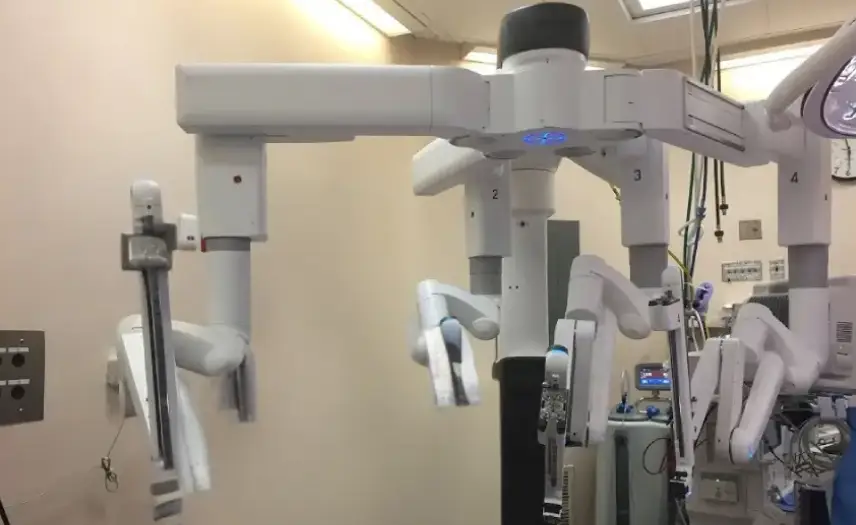
Gastrointestinal Malignancies Surgery in Ramapuram, Chennai
My Approach to GI Malignancies Treatment in Ramapuram Chennai
I am Dr. P. Suresh Kumar, an MCh-qualified Surgical Gastroenterologist with extensive experience in managing complex gastrointestinal cancers. GI malignancies require timely diagnosis, multidisciplinary coordination, and precision-based surgical planning. As a specialist providing GI malignancies treatment in Ramapuram Chennai, my focus is always on combining oncological safety with minimally invasive surgical expertise wherever appropriate.
Gastrointestinal malignancies surgery in Ramapuram, Chennai involves more than tumor removal. It requires accurate staging, evaluation of lymph node involvement, assessment of surrounding structures, and structured long-term follow-up. My approach is guided by evidence-based oncology protocols, ensuring that each surgical decision prioritizes both survival outcomes and quality of life.
The following sections outline the different types of gastrointestinal cancers and the surgical treatment approaches available in Ramapuram, Chennai.
Esophageal Cancer Surgery in Ramapuram, Chennai
Esophageal cancer affects the food pipe and often presents with progressive difficulty swallowing, weight loss, or persistent reflux symptoms. When a patient consults me with these complaints, my first priority is confirming the diagnosis through upper GI endoscopy and biopsy. Once cancer is confirmed, staging investigations such as CT scan or PET-CT are performed to understand the extent of disease.
Esophageal Cancer Surgery in Ramapuram, Chennai is recommended when the tumor is localized and surgically resectable. In certain cases, chemotherapy or chemoradiation is advised before surgery to shrink the tumor. My role as a surgical gastroenterologist is to carefully evaluate whether surgery alone or combined therapy provides the safest and most effective outcome for the patient.
When Is Surgery Needed?
Surgery is considered when:
- Cancer is confined to the esophagus or nearby lymph nodes
- There is no distant metastasis
- Patient is medically fit for major surgery
- Tumor responds to preoperative therapy
- Curative intent treatment is possible
What Procedure Is Performed?
The standard procedure is esophagectomy, which involves removing the cancer-affected portion of the esophagus along with surrounding lymph nodes. The stomach is then reshaped and connected to the remaining esophagus to restore swallowing continuity.
Whenever feasible, I perform minimally invasive esophagectomy using laparoscopic or thoracoscopic techniques. This allows better visualization, smaller incisions, and potentially smoother recovery while maintaining oncological safety.
Recovery After Surgery
Recovery typically involves:
- 7–10 days hospital stay
- Gradual transition from liquid to soft diet
- Respiratory physiotherapy
- Nutritional monitoring
- Regular follow-up imaging
Most patients gradually regain swallowing ability and strength over several weeks. Nutritional guidance is a critical part of recovery.
Long-Term Outlook & Reassurance
Esophageal cancer outcomes depend largely on stage at diagnosis. When detected early and treated appropriately, survival outcomes are significantly improved. I always emphasize that timely evaluation and multidisciplinary planning make a meaningful difference.
As your treating surgeon, my commitment is to provide safe, evidence-based care while supporting you through every stage of treatment.
Stomach Cancer Surgery in Ramapuram, Chennai
Stomach cancer, also known as gastric cancer, can sometimes develop silently in its early stages. Patients may experience persistent indigestion, unexplained weight loss, vomiting, anemia, early fullness after meals, or occult bleeding. When I evaluate a patient with these symptoms, I begin with upper gastrointestinal endoscopy and biopsy to confirm the diagnosis. Once cancer is confirmed, contrast-enhanced CT scan and staging workup are performed to determine the extent of disease.
Stomach Cancer Surgery in Ramapuram, Chennai is recommended when the tumor is localized and can be removed safely. In certain cases, preoperative chemotherapy may be advised to shrink the tumor before surgery. My goal is to ensure complete tumor removal while preserving as much normal digestive function as possible. Every surgical plan is individualized based on tumor location, stage, and the patient’s overall health condition.
When Is Stomach Cancer Surgery Needed?
Surgery is considered when:
- Cancer is confined to the stomach or nearby lymph nodes
- There is no distant organ spread
- The patient is medically fit for major abdominal surgery
- Tumor is operable based on imaging
- Curative treatment intent is possible
Early detection significantly increases the chances of successful surgical treatment.
What Surgical Procedure Is Performed?
The type of surgery depends on where the tumor is located in the stomach:
Partial Gastrectomy – Removal of the affected portion of the stomach
Total Gastrectomy – Complete removal of the stomach when cancer is extensive
In both procedures, surrounding lymph nodes are removed (D2 lymphadenectomy) to reduce recurrence risk. After tumor removal, the digestive tract is reconstructed by connecting the remaining stomach or esophagus to the small intestine to restore food passage.
Whenever suitable, I perform laparoscopic stomach cancer surgery to reduce surgical trauma while maintaining strict oncological standards.
What to Expect After Surgery
Recovery after Stomach Cancer Surgery in Ramapuram, Chennai typically involves:
- 5–7 days hospital stay (depending on procedure type)
- Gradual progression from liquids to soft diet
- Nutritional monitoring and supplementation
- Pain management and early mobilization
- Regular follow-up appointments
Patients who undergo total gastrectomy will need dietary adjustments and smaller, frequent meals. With proper guidance, most patients adapt well over time.
Risks and Safety Considerations
All major cancer surgeries carry risks, including bleeding, infection, anastomotic leak, or delayed gastric emptying. However, careful surgical technique, perioperative monitoring, and structured post-operative care significantly reduce these risks.
Before recommending surgery, I discuss all potential risks and benefits in detail so that patients and families can make informed decisions with clarity and confidence.
Long-Term Outlook and Reassurance
Outcomes in stomach cancer depend largely on stage at diagnosis. Early-stage gastric cancer has very favorable survival rates after complete surgical removal. Even in advanced stages, combination therapy (surgery + chemotherapy) can provide meaningful disease control and improved quality of life.
I always tell my patients — stomach cancer is treatable, especially when addressed promptly. With proper staging, careful surgical planning, and structured follow-up, many patients return to active and fulfilling lives after treatment.
As a surgical gastroenterologist providing Stomach Cancer Surgery in Ramapuram, Chennai, my commitment is to deliver evidence-based, safe, and compassionate cancer care tailored to each individual.
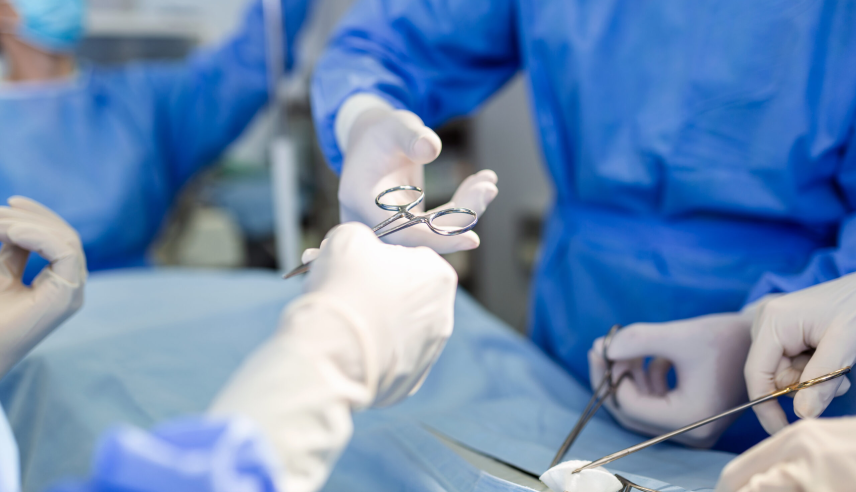
Pancreatic Cancer Surgery in Ramapuram, Chennai
Pancreatic cancer is one of the more complex gastrointestinal malignancies I manage in my surgical practice. It often presents subtly — patients may experience painless jaundice, upper abdominal pain radiating to the back, unexplained weight loss, new-onset diabetes, or persistent digestive discomfort. Because early symptoms can be vague, timely evaluation is extremely important.
When a patient consults me with suspected pancreatic cancer, I begin with pancreas-protocol CT scan, MRI if required, tumor marker evaluation (CA 19-9), and staging investigations. Pancreatic Cancer Surgery in Ramapuram, Chennai is recommended only after confirming that the tumor is localized and surgically resectable. In certain cases, preoperative chemotherapy may be advised to improve surgical outcomes.
When Is Pancreatic Cancer Surgery Needed?
Surgery is considered when:
- The tumor is confined to the pancreas
- There is no distant metastasis
- Major blood vessels are not extensively involved
- The patient is medically fit for major surgery
- Curative intent treatment is possible
Not every pancreatic cancer requires immediate surgery. Careful staging ensures that surgery is beneficial and safe.
What Surgical Procedures Are Performed?
The type of surgery depends on the location of the tumor within the pancreas:
Whipple Procedure (Pancreaticoduodenectomy)
Performed when the tumor is in the head of the pancreas. This involves removal of:
- Pancreatic head
- Duodenum
- Gallbladder
- Part of bile duct
- Sometimes part of stomach
After removal, digestive continuity is reconstructed carefully.
Distal Pancreatectomy
Performed when the tumor is located in the body or tail of the pancreas. This involves removal of the affected portion of the pancreas, sometimes along with the spleen.
These are technically demanding surgeries requiring precise dissection around major blood vessels. My focus is complete tumor clearance while minimizing complications.
What to Expect After Surgery
Recovery after Pancreatic Cancer Surgery in Ramapuram, Chennai typically includes:
- 7–10 days hospital stay
- Intensive monitoring in early post-operative period
- Gradual reintroduction of oral intake
- Blood sugar monitoring
- Pancreatic enzyme supplementation if required
Because the pancreas plays a role in digestion and insulin regulation, post-operative metabolic care is essential. Most patients gradually regain strength over several weeks.
Risks and Safety Considerations
Pancreatic surgery is complex and may carry risks such as:
- Pancreatic leak
- Delayed gastric emptying
- Infection
- Bleeding
- Temporary digestive changes
However, with modern surgical techniques, experienced perioperative care, and structured monitoring, outcomes have significantly improved. Careful patient selection and meticulous surgical planning are critical for safety.
Long-Term Outlook and Reassurance
Pancreatic cancer outcomes depend on stage at diagnosis. Early-stage, resectable tumors have significantly better survival rates compared to advanced disease. When combined with chemotherapy, surgical treatment offers the best chance for long-term disease control.
I always emphasize to my patients — pancreatic cancer is serious, but not hopeless. With early diagnosis, multidisciplinary coordination, and precise surgical intervention, meaningful outcomes are achievable.
As a specialist performing Pancreatic Cancer Surgery in Ramapuram, Chennai, my approach is structured, evidence-based, and focused on delivering safe oncological results while supporting patients and families through every stage of treatment.
Bile Duct Cancer Surgery in Ramapuram, Chennai
Bile duct cancer, also known as cholangiocarcinoma, is a rare but serious gastrointestinal malignancy that affects the ducts carrying bile from the liver to the intestine. Many patients come to me with symptoms such as progressive jaundice (yellowing of the eyes and skin), itching, dark urine, pale stools, abdominal discomfort, or unexplained weight loss. These symptoms should never be ignored, as early diagnosis significantly improves treatment options.
When I evaluate a patient for Bile Duct Cancer Surgery in Ramapuram, Chennai, I begin with detailed imaging such as MRCP (Magnetic Resonance Cholangiopancreatography), contrast-enhanced CT scan, and liver function assessment. The goal is to determine tumor location — whether intrahepatic, perihilar (Klatskin tumor), or distal bile duct cancer — because surgical planning varies depending on the site and extent of disease.
When Is Bile Duct Cancer Surgery Needed?
Surgery is considered when:
- The tumor is localized and resectable
- There is no distant metastasis
- Adequate healthy liver tissue can be preserved
- Major vascular involvement is manageable
- The patient is medically fit for surgery
In some cases, preoperative biliary drainage may be required to relieve jaundice before definitive surgery.
What Surgical Procedures Are Performed?
The type of surgery depends on tumor location:
Distal Bile Duct Cancer
Often treated with a Whipple procedure (Pancreaticoduodenectomy), where the affected bile duct and surrounding structures are removed.
Perihilar (Hilar) Cholangiocarcinoma
May require removal of the bile duct along with part of the liver (hepatic resection), followed by reconstruction of bile flow.
Intrahepatic Bile Duct Cancer
Managed with segmental or lobar liver resection to remove the tumor-bearing portion of the liver.
After tumor removal, I perform careful biliary reconstruction to restore bile drainage into the intestine. The priority is achieving clear surgical margins while preserving liver function.
What to Expect After Surgery
Recovery after Bile Duct Cancer Surgery in Ramapuram, Chennai typically includes:
- 7–10 days hospital stay
- Monitoring of liver function tests
- Gradual progression to oral diet
- Pain management and early mobilization
- Regular imaging follow-up
Because bile ducts are closely connected to liver function, post-operative monitoring is crucial. Most patients gradually regain strength over several weeks.
Risks and Safety Considerations
Bile duct cancer surgery is complex due to its proximity to major blood vessels and liver tissue. Possible risks include:
- Bile leak
- Infection
- Bleeding
- Temporary liver dysfunction
- Delayed recovery
However, with careful preoperative planning, advanced surgical techniques, and structured post-operative care, these risks can be significantly minimized.
Long-Term Outlook and Reassurance
Outcomes depend on tumor stage and margin clearance. When the cancer is detected early and complete surgical removal is achieved, survival outcomes improve substantially. In some cases, surgery may be combined with chemotherapy to enhance long-term control.
I always reassure my patients — although bile duct cancer is a serious diagnosis, modern surgical approaches and multidisciplinary care offer meaningful treatment possibilities. Early consultation and timely intervention are key.
As a surgical gastroenterologist performing Bile Duct Cancer Surgery in Ramapuram, Chennai, my commitment is to provide safe, evidence-based oncological surgery while supporting patients and families throughout the treatment journey.
Liver Cancer Surgery in Ramapuram, Chennai
Liver cancer may arise primarily from the liver cells (hepatocellular carcinoma) or may occur as secondary cancer spreading from another organ. Many patients with liver cancer have underlying liver conditions such as hepatitis B, hepatitis C, fatty liver disease, or cirrhosis. Symptoms may include abdominal discomfort, weight loss, fatigue, swelling of the abdomen, or jaundice — though in early stages, it may be detected incidentally during imaging.
When I evaluate a patient for Liver Cancer Surgery in Ramapuram, Chennai, I carefully assess both the tumor characteristics and liver function. The liver plays a vital role in metabolism and detoxification, so surgery must be planned without compromising remaining healthy liver tissue. Imaging such as triple-phase CT scan or MRI liver is essential to determine tumor size, number, vascular involvement, and resectability.
When Is Liver Cancer Surgery Needed?
Surgery is recommended when:
- The tumor is confined to a specific segment or lobe
- There is no widespread metastasis
- Liver function is adequate
- The remaining liver volume will be sufficient after resection
- The patient is medically fit for major surgery
Not all liver cancers require immediate resection. In some cases, ablation, embolization, or systemic therapy may be considered before surgery.
What Surgical Procedures Are Performed?
The surgical approach depends on tumor size and location:
Segmental Liver Resection
Removal of a specific segment containing the tumor.
Lobar Hepatectomy
Removal of an entire lobe of the liver when cancer is extensive within one side.
Extended Liver Resection
Performed in selected cases where a larger portion must be removed safely.
The liver has the unique ability to regenerate. With careful preoperative planning and precise surgical technique, significant portions of the liver can be removed while maintaining long-term function. My priority during Liver Cancer Surgery in Ramapuram, Chennai is achieving complete tumor clearance with negative margins while ensuring adequate residual liver volume.
What to Expect After Surgery
Recovery typically involves:
- 5–7 days hospital stay (depending on extent of resection)
- Close monitoring of liver function tests
- Early mobilization and breathing exercises
- Gradual reintroduction of diet
- Scheduled imaging follow-up
Most patients gradually regain strength over several weeks. Fatigue may persist temporarily but improves with time and proper nutritional support.
Risks and Safety Considerations
Liver surgery is technically demanding because of its rich blood supply. Possible risks include:
- Bleeding
- Bile leak
- Temporary liver dysfunction
- Infection
- Fluid accumulation
However, modern surgical planning, improved anesthesia care, and structured perioperative monitoring have significantly enhanced safety outcomes.
Long-Term Outlook and Reassurance
Outcomes in liver cancer depend on stage, underlying liver condition, and margin clearance. Early-stage hepatocellular carcinoma treated surgically can offer excellent long-term survival. Even in selected advanced cases, combination therapy may provide meaningful disease control.
I always reassure my patients — early detection and proper surgical planning make a significant difference in outcomes. Liver cancer is treatable, especially when addressed promptly and managed in a structured manner.
As a specialist providing Liver Cancer Surgery in Ramapuram, Chennai, my approach combines oncological precision, liver function preservation, and compassionate patient guidance throughout the treatment journey.
Small Bowel Cancer Surgery in Ramapuram, Chennai
Small bowel cancer is relatively uncommon compared to other gastrointestinal malignancies, which sometimes leads to delayed diagnosis. Patients may present with abdominal pain, unexplained anemia, intestinal obstruction, weight loss, or occult gastrointestinal bleeding. Because symptoms can mimic other digestive conditions, careful clinical evaluation is essential.
When I assess a patient for Small Bowel Cancer Surgery in Ramapuram, Chennai, I begin with imaging such as CT enterography, contrast CT abdomen, or capsule endoscopy where appropriate. Biopsy confirmation and staging help determine whether surgery is feasible and curative. Early-stage tumors confined to a specific segment of intestine are best treated surgically.
When Is Small Bowel Cancer Surgery Needed?
Surgery is recommended when:
- The tumor is localized to a segment of small intestine
- There is no distant organ spread
- The patient presents with obstruction or bleeding
- Imaging confirms resectable disease
- Curative intent treatment is possible
Prompt surgical management prevents complications such as perforation or obstruction.
What Surgical Procedure Is Performed?
Small Bowel Cancer Surgery in Ramapuram, Chennai involves segmental resection of the affected portion of intestine along with removal of associated lymph nodes. The two healthy ends of the bowel are then reconnected (anastomosis) to restore digestive continuity.
In suitable cases, I perform minimally invasive laparoscopic resection, which allows smaller incisions and faster recovery. The objective is complete tumor removal with adequate margins while preserving maximum functional bowel length.
What to Expect After Surgery
Recovery usually includes:
- 4–6 days hospital stay
- Gradual return of bowel function
- Stepwise diet progression
- Pain management and early mobilization
- Regular follow-up for surveillance
Most patients regain normal digestive function within weeks.
Long-Term Outlook and Reassurance
When detected early and surgically removed completely, small bowel cancer has favorable outcomes. I always emphasize that unexplained anemia or persistent abdominal symptoms should not be ignored, as early diagnosis improves survival significantly.
With proper surgical care and follow-up, many patients return to normal daily life.
Colon Cancer Surgery in Ramapuram, Chennai
Colon cancer is one of the most commonly diagnosed gastrointestinal malignancies. Symptoms may include altered bowel habits, blood in stool, abdominal discomfort, anemia, or weight loss. Colonoscopy with biopsy is the gold standard for diagnosis, followed by CT scan staging.
Colon Cancer Surgery in Ramapuram, Chennai remains the cornerstone of curative treatment. My focus is to remove the tumor-bearing segment of colon along with its lymphatic drainage while preserving bowel continuity whenever possible.
When Is Colon Cancer Surgery Needed?
Surgery is indicated when:
- Cancer is confirmed by colonoscopy biopsy
- The tumor is localized or regionally advanced
- There is bowel obstruction
- There is bleeding not controlled medically
- Curative surgical removal is feasible
Early-stage colon cancer treated surgically has excellent survival outcomes.
What Surgical Procedure Is Performed?
The procedure depends on tumor location:
- Right Hemicolectomy – for tumors in the ascending colon
- Left Hemicolectomy – for tumors in descending colon
- Sigmoid Colectomy – for sigmoid colon tumors
The affected colon segment is removed along with surrounding lymph nodes, and the healthy ends are rejoined. In most cases, a permanent stoma is not required. Minimally invasive laparoscopic colectomy is often possible and offers faster recovery.
What to Expect After Surgery
Recovery typically involves:
- 4–6 days hospital stay
- Early ambulation
- Gradual diet progression
- Monitoring for bowel function
- Oncology consultation for further therapy if needed
Patients generally return to routine activities within a few weeks.
Long-Term Outlook and Reassurance
Colon cancer outcomes have significantly improved due to screening colonoscopy and standardized surgical techniques. When diagnosed early, cure rates are very high.
I always reassure my patients — colon cancer is treatable, especially when detected early and managed systematically.
Rectum & Anal Canal Cancer Surgery in Ramapuram, Chennai
Rectal and anal canal cancers require specialized surgical expertise because of their proximity to sphincter muscles and pelvic structures. Symptoms may include rectal bleeding, altered stool pattern, pain during defecation, mucus discharge, or sensation of incomplete evacuation.
When evaluating Rectum & Anal Canal Cancer Surgery in Ramapuram, Chennai, I rely on MRI pelvis, endoscopy, biopsy, and staging investigations. Treatment planning often includes neoadjuvant chemoradiation for locally advanced rectal cancers before surgery to improve outcomes.
When Is Rectal Cancer Surgery Needed?
Surgery is recommended when:
- Cancer is confirmed by biopsy
- The tumor is localized or locally advanced
- Neoadjuvant therapy is completed (if indicated)
- The disease is resectable
- Curative treatment is achievable
What Surgical Procedure Is Performed?
The standard procedure for rectal cancer is Total Mesorectal Excision (TME), which ensures complete removal of the rectum along with surrounding lymphatic tissue.
Whenever oncologically safe, I prioritize sphincter-preserving surgery so that natural bowel control is maintained. In very low tumors, a permanent colostomy may be necessary — this is discussed clearly and compassionately before surgery.
Anal canal cancers may sometimes be treated primarily with chemoradiation, reserving surgery for residual or recurrent disease.
What to Expect After Surgery
Recovery may include:
- 5–7 days hospital stay
- Wound and bowel function monitoring
- Gradual adaptation to bowel changes
- Stoma care education if required
- Structured long-term surveillance
With proper support and rehabilitation, most patients adapt well after surgery.
Long-Term Outlook and Reassurance
Rectal cancer survival has improved significantly with modern multimodal treatment. Early diagnosis, appropriate staging, and meticulous surgical technique make a substantial difference.
I always encourage patients not to delay evaluation for rectal bleeding or persistent bowel changes. Timely Rectum & Anal Canal Cancer Surgery in Ramapuram, Chennai offers meaningful hope and improved long-term outcomes.
Dedicated Cancer Care with Precision and Compassion
Gastrointestinal cancers demand timely intervention and structured surgical expertise. With advanced techniques and personalized planning, I am committed to providing safe, evidence-based GI malignancies treatment in Ramapuram, Chennai, focused on both effective cancer control and long-term quality of life.
Schedule a Consultation for GI Malignancies Treatment
If you or your loved one is experiencing persistent digestive symptoms such as difficulty swallowing, rectal bleeding, jaundice, unexplained weight loss, or changes in bowel habits, do not delay evaluation.
Early diagnosis and timely surgical care significantly improve outcomes in gastrointestinal cancers.
Book a consultation with Dr. P. Suresh Kumar today to discuss personalized treatment options for GI malignancies in Ramapuram, Chennai.
FAQS
-
01What are GI malignancies?
GI malignancies refer to cancers affecting the digestive system, including the esophagus, stomach, pancreas, bile duct, liver, small bowel, colon, rectum, and anal canal. These cancers require timely diagnosis, staging, and specialized surgical treatment.
-
02When is gastrointestinal malignancies surgery required?
Gastrointestinal malignancies surgery in Ramapuram, Chennai is recommended when the cancer is localized and can be safely removed. Surgery may be combined with chemotherapy or radiation depending on the cancer type and stage.
-
03Is minimally invasive surgery possible for GI cancers?
Yes. Many GI cancers can be treated using laparoscopic or minimally invasive techniques when appropriate. These approaches allow smaller incisions, faster recovery, and reduced post-operative discomfort while maintaining oncological safety.
-
04What symptoms should not be ignored in gastrointestinal cancer?
Persistent symptoms such as difficulty swallowing, rectal bleeding, jaundice, unexplained weight loss, chronic abdominal pain, or changes in bowel habits should be evaluated promptly, as early detection improves treatment outcomes.
-
05What is the recovery time after GI cancer surgery?
Recovery depends on the type of surgery performed. Most patients stay in the hospital for 5–10 days and gradually resume normal activities over several weeks. Structured follow-up and oncology coordination are essential for long-term care.

