- drpsk88@gmail.com
- +91 9940161615
- Open Hours: 24/7 Opeing


Hepatobiliary Surgery

Advanced HPB Surgical Care | Hepatobiliary Surgery in Ramapuram, Chennai
Specialized Hepatobiliary Surgery with Structured Clinical Precision
As a Surgical Gastroenterologist practicing in Ramapuram and Chennai, I perform hepatobiliary surgery with structured planning and precision-driven techniques focused on safe outcomes. Hepatobiliary surgery refers to surgical treatment involving the liver, bile ducts, and gallbladder, and in certain cases includes pancreatic involvement under hepatobiliary and pancreatic surgery. I am currently associated with Sri Ramachandra Medical Centre and Palaniyappa Multispeciality Hospital, where complex HPB surgery procedures are conducted under standardized operating protocols and continuous perioperative monitoring. The liver and biliary system are closely connected to major blood vessels, requiring careful anatomical understanding. Early evaluation significantly improves surgical candidacy. I assess imaging, laboratory tests, and overall medical stability before recommending intervention. My objective remains disease control while preserving liver function whenever possible.
Hepatobiliary Surgery in Ramapuram is considered when medical treatment alone is insufficient or when tumors, bile duct obstruction, or liver masses require surgical removal. These procedures demand experienced handling due to vascular complexity. Structured surgical planning improves intraoperative control. I recommend surgery only when the clinical benefit outweighs the potential risk. Multidisciplinary evaluation strengthens treatment decisions. Responsible timing enhances recovery. Long-term monitoring supports liver health. Safety remains central to care.
Core Surgical Principles
- I confirm diagnosis with imaging.
- I assess liver function carefully.
- I recommend surgery when necessary.
- I operate under monitored hospital systems.
- I prioritize organ preservation.
- I ensure structured postoperative care.
Understanding Hepatobiliary Surgery and HPB Procedures
Hepatobiliary surgery involves the treatment of disorders affecting the liver, bile ducts, and gallbladder. Many patients search for “hepatobiliary surgery meaning” when first diagnosed. In simple terms, it refers to surgical procedures that treat liver tumors, bile duct obstruction, cysts, or complex gallbladder disease. HPB surgery also includes certain pancreatic conditions when anatomically related. These operations require advanced anatomical expertise due to proximity to major vessels. Imaging studies such as CT scan, MRI, and MRCP provide detailed mapping. A biopsy may confirm tumor type before planning surgery. Early diagnosis improves surgical outcomes.
Patients seeking a hepatobiliary doctor in Ramapuram often present with jaundice, abdominal pain, or abnormal liver tests. Liver tumors may be benign or malignant. Bile duct blockage can lead to infection or progressive jaundice. Timely surgical intervention may prevent liver damage. Structured evaluation determines operability. Multidisciplinary discussion improves safety. Responsible intervention reduces complications. Precision defines hepatobiliary care.
- Liver tumors and masses.
- Bile duct obstruction.
- Hepatocellular carcinoma.
- Cholangiocarcinoma.
- Complex gallbladder disease.
- HPB-related pancreatic lesions.
Conditions Treated
When to Consult a Hepatobiliary Doctor
Persistent jaundice should never be ignored. Yellowing of the eyes may indicate bile duct blockage. Upper abdominal pain with fever may signal biliary infection. Unexplained weight loss requires evaluation. Abnormal liver function tests may suggest structural disease. As a consultant HPB surgeon, I recommend early specialist evaluation when symptoms arise. Timely imaging improves diagnostic accuracy. Delayed consultation may reduce treatment options.
High-intent searches for Hepatobiliary Surgery in Chennai often reflect advanced disease concerns. Early referral improves surgical candidacy in liver tumors. Obstructive jaundice may require urgent intervention. Structured assessment clarifies whether surgery or alternative treatment is required. Responsible evaluation enhances survival outcomes. Clear explanation supports patient understanding. Multidisciplinary collaboration improves decision-making. Safety remains the priority.
- Persistent jaundice.
- Upper abdominal pain.
- Fever with biliary symptoms.
- Unexplained weight loss.
- Dark urine or pale stools.
- Abnormal liver test results.
Warning Symptoms
Types of Hepatobiliary and Pancreatic Surgery Performed
Hepatobiliary and pancreatic surgery in Ramapuram includes a wide range of procedures tailored to disease location. Liver resection may be required for localized tumors. Bile duct reconstruction may be necessary in obstructive disease. Segmental liver removal preserves healthy tissue when possible. HPB surgery may include combined procedures when pancreatic involvement is present. Surgical planning is based on imaging and vascular mapping. I customize the approach based on disease extent and patient stability. Careful dissection protects major vessels. Structured execution reduces complications.
Minimally invasive hepatobiliary surgery may be considered in selected cases. Open surgery remains necessary for complex resections. The goal is complete tumor removal while maintaining liver function. Reconstruction is performed carefully when bile duct continuity is restored. ICU monitoring may be required in major resections. Long-term surveillance ensures recurrence detection. Precision improves survival outcomes. Safety defines every stage.
- Liver tumor resection.
- Bile duct reconstruction.
- Segmental liver removal.
- HPB combined procedures.
- Minimally invasive liver surgery.
- Complex oncologic resections.
Surgical Procedures Offered
Hepatobiliary and Pancreatic Surgery – Conditions and Treatment Overview
Hepatobiliary surgery includes procedures involving the liver, bile ducts, gallbladder, and in selected cases, pancreatic structures. The table below provides a clear overview of common HPB conditions and corresponding surgical approaches. I determine the appropriate procedure based on imaging findings, disease staging, and overall liver function. Every surgical recommendation is individualized to ensure safety and long-term stability.
Hepatobiliary Surgery Overview
| Condition | Type of HPB Surgery | Surgical Objective | Complexity Level | Post-Surgical Monitoring |
|---|---|---|---|---|
| Liver Tumor (Benign or Malignant) | Liver Resection | Remove tumor while preserving healthy liver | Major | Liver function tests + Imaging |
| Hepatocellular Carcinoma | Segmental or Major Hepatectomy | Oncologic clearance with margin safety | Major | ICU + Tumor Surveillance |
| Bile Duct Obstruction | Bile Duct Reconstruction | Restore bile flow and prevent liver damage | Moderate to Major | Drain monitoring + LFT |
| Cholangiocarcinoma | Oncologic Bile Duct Resection | Remove tumor and reconstruct biliary system | Major | ICU + Long-term follow-up |
| Complex Gallbladder Disease | Advanced Cholecystectomy | Remove diseased gallbladder safely | Moderate | Routine recovery monitoring |
| HPB-Related Pancreatic Lesions | Combined HPB Surgery | Remove affected organ structures safely | Major | ICU + Multidisciplinary review |
- Surgical plan depends on disease staging.
- Liver function determines resection safety.
- Vascular anatomy influences approach.
- Multidisciplinary evaluation improves outcomes.
- ICU monitoring may be required.
- Long-term follow-up ensures stability.
Key Considerations in Hepatobiliary Surgery
Is Hepatobiliary Surgery Necessary for You?
Not all liver or bile duct conditions require immediate surgical intervention. I evaluate imaging findings, liver function, and disease staging before recommending hepatobiliary surgery in Ramapuram or Chennai. Surgical necessity depends on tumor resectability, severity of bile duct obstruction, and overall medical fitness. In certain cases, medical therapy or interventional procedures may be considered first. However, when structural disease threatens liver function or cancer is localized and operable, surgery becomes the most effective treatment. Responsible timing improves long-term outcomes. Structured evaluation reduces unnecessary procedures. Every surgical recommendation is individualized.
Patients searching for hepatobiliary doctors in Ramapuram often want clarity on urgency. Progressive jaundice, liver mass growth, or persistent infection may require timely intervention. Delay in malignant conditions may reduce surgical candidacy. I assess vascular involvement carefully before proceeding. Multidisciplinary review strengthens safety. Clear explanation of risks and recovery expectations supports informed decision-making. Precision in evaluation defines appropriate timing. Safety remains the guiding principle.
- Tumor is localized and operable.
- Bile duct obstruction persists.
- Liver function remains adequate.
- Imaging confirms resectable disease.
- Symptoms are progressive.
- Multidisciplinary review supports surgery.
Surgical Decision Indicators
Surgical Infrastructure and Patient Care Standards
Hepatobiliary and pancreatic surgery requires advanced infrastructure and coordinated perioperative systems. I perform complex HPB surgery at Sri Ramachandra Medical Centre and Palaniyappa Multispeciality Hospital, where structured operating protocols and ICU support are maintained. High-definition imaging supports precise intraoperative visualization. Continuous anesthesia monitoring ensures hemodynamic stability during major resections. Sterile operating environments reduce infection risk. Coordinated surgical and critical care teams enhance procedural safety. Structured hospital systems strengthen predictable outcomes.
Postoperative monitoring is particularly important in liver and bile duct surgery. ICU supervision may be required depending on resection extent. Structured pain management and nutritional support assist liver recovery. Liver function tests are monitored closely after surgery. Infection prevention measures are implemented consistently. Emergency backup systems remain available when required. Follow-up imaging may be scheduled to assess healing. Organized hospital infrastructure improves both short-term stability and long-term outcomes.
- Advanced surgical infrastructure is available.
- Continuous anesthesia monitoring is maintained.
- ICU support is accessible.
- Sterile protocols are strictly followed.
- Multidisciplinary teams coordinate care.
- Structured postoperative monitoring is ensured.
Hospital Care Standards
Why Choose Me for Hepatobiliary Surgery in Ramapuram and Chennai
Hepatobiliary surgery requires specialized expertise due to its proximity to major blood vessels and critical liver structures. As a consultant HPB surgeon, I focus on precision-driven liver and bile duct surgery with structured planning and careful intraoperative control. Experience in complex abdominal and oncologic procedures strengthens surgical judgment. My approach emphasizes accurate staging, meticulous resection, and preservation of healthy liver tissue whenever possible. I recommend surgery only when clinical evidence supports benefit. Transparent discussion ensures realistic expectations. Long-term follow-up remains an essential component of care. Responsibility defines every intervention.
My association with Sri Ramachandra Medical Centre and Palaniyappa Multispeciality Hospital strengthens patient safety through advanced hospital systems and critical care backup. These institutions provide the infrastructure required for complex hepatobiliary and pancreatic surgery in Ramapuram and Chennai. Ethical practice ensures surgery is recommended responsibly. Multidisciplinary coordination enhances outcomes. Continuous professional development supports updated surgical techniques. Structured postoperative monitoring improves recovery stability. Patient welfare remains central. Precision and accountability define care delivery.
- Specialized hepatobiliary surgery expertise.
- Experience in complex liver resections.
- Advanced hospital infrastructure support.
- Structured multidisciplinary planning.
- Transparent consultation process.
- Dedicated long-term follow-up care.
Why Patients Choose My Care
Pre-Operative Evaluation and Surgical Planning
Before proceeding with hepatobiliary surgery in Ramapuram or Chennai, I conduct a comprehensive clinical evaluation to determine surgical safety and feasibility. Detailed imaging studies such as CT scan, MRI, or MRCP are reviewed to assess tumor size, vascular involvement, and liver reserve. Liver function tests are carefully analyzed because adequate liver function is essential before resection. In selected cases, biopsy confirmation is required to establish diagnosis. Anesthesia clearance is obtained to ensure the patient can tolerate major abdominal surgery. Risk factors such as diabetes, hypertension, or nutritional deficiencies are optimized prior to surgery. Structured preparation improves intraoperative safety and postoperative recovery. Clear explanation of surgical risks supports informed consent.
In malignant conditions, staging determines whether preoperative therapy is necessary before surgery. Multidisciplinary tumor board discussion strengthens treatment planning. Preoperative optimization reduces complication risk. Antibiotic prophylaxis is administered when indicated. Blood availability is arranged in major resections. Detailed operative planning enhances precision. Responsible preparation ensures stability before entering the operating room. Patient education reduces anxiety and improves cooperation during recovery.
- Imaging confirms disease staging.
- Liver function is assessed carefully.
- Biopsy is performed when required.
- Medical fitness is optimized.
- Anesthesia clearance is obtained.
- Surgical risks are explained clearly.
Pre-Surgical Steps
Intraoperative Precision and Monitoring
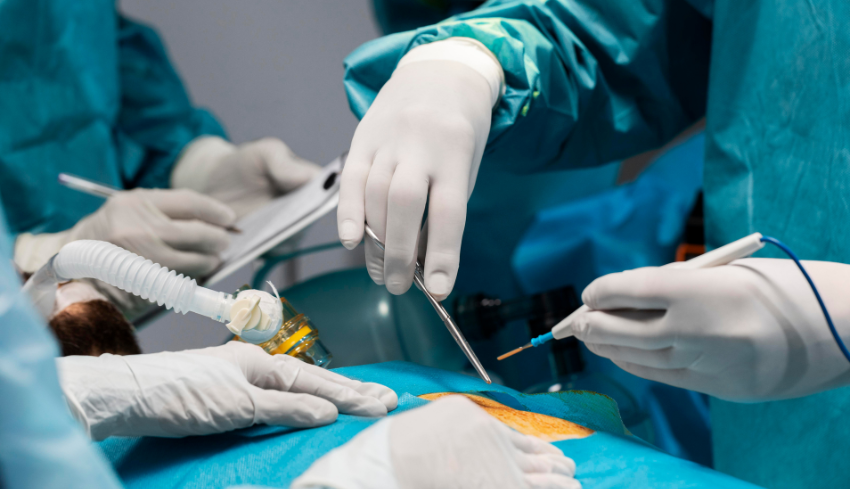
Hepatobiliary surgery involves delicate dissection around major blood vessels supplying the liver and biliary system. I rely on precise anatomical mapping and structured surgical technique to ensure safe tumor removal or bile duct reconstruction. Continuous anesthesia monitoring maintains stable blood pressure and oxygenation throughout the procedure. Advanced energy devices allow controlled tissue dissection with minimal blood loss. Careful vascular control is maintained during liver resection. Reconstruction is performed meticulously to restore bile flow when necessary. Structured intraoperative protocols reduce complication risk. Vigilance remains constant until the procedure is completed safely.
In complex cases, extended resection may be required to achieve clear margins. Surgical judgment determines the safest approach in real time. Conversion to a different surgical technique is considered only if required for patient safety. Final inspection ensures hemostasis and structural stability. Monitoring continues in the immediate postoperative period. Precision reduces the likelihood of bile leak or bleeding. Structured execution enhances long-term outcomes. Safety defines intraoperative conduct.
- Major vessels are carefully preserved.
- Bleeding is controlled meticulously.
- Reconstruction is performed precisely.
- Monitoring remains continuous.
- Sterility protocols are maintained.
- Safety decisions are immediate.
Intraoperative Safety Measures
Post-Operative Recovery and Supervision
Recovery after hepatobiliary surgery requires structured supervision due to the complexity of liver and bile duct procedures. Patients may remain in ICU for observation depending on the extent of resection. Pain management follows standardized clinical protocols. Liver function tests are monitored closely during early recovery. Gradual reintroduction of oral intake supports digestive adaptation. Drain monitoring may be required in selected cases. Follow-up imaging assesses surgical healing. Structured postoperative care improves stability and confidence.
Potential complications such as bile leak, infection, or delayed recovery are monitored carefully. Early detection allows prompt intervention. Patients are guided regarding activity restrictions and wound care. Gradual return to routine activity is encouraged once stable. Nutritional support may be adjusted to support liver regeneration. Structured follow-up ensures long-term surveillance. Recovery is individualized based on surgical complexity. Continuous monitoring improves overall outcomes.
- ICU monitoring when required.
- Liver function is tested regularly.
- Pain is managed effectively.
- Wound care instructions are provided.
- Follow-up imaging is scheduled.
- Gradual activity progression is advised.
Recovery Guidelines
Risks and Complication Awareness
Hepatobiliary surgery carries inherent risks due to vascular complexity and liver involvement. Possible complications include bleeding, bile leak, infection, or temporary liver dysfunction. Structured preoperative evaluation reduces complication probability. Careful intraoperative technique minimizes vascular injury. ICU monitoring improves early detection of postoperative issues. Transparent counseling ensures realistic expectations. Responsible surgical planning lowers risk exposure. Safety remains central throughout the treatment process.
Long-term monitoring is particularly important in malignant conditions. Recurrence surveillance may involve periodic imaging and laboratory tests. Patients are educated about warning symptoms such as persistent fever or abdominal discomfort. Early reporting allows timely management. Multidisciplinary coordination strengthens complication control. Ethical responsibility guides postoperative decisions. Vigilance continues beyond discharge. Long-term stability defines surgical success.
- Risks are explained clearly.
- Monitoring continues after surgery.
- Complications are managed promptly.
- ICU care is available when needed.
- Surveillance imaging may be required.
- Follow-up ensures stability.
Risk Awareness
Commitment to Advanced Hepatobiliary Care
Effective hepatobiliary and pancreatic surgery in Ramapuram and Chennai requires experience, precision, and structured hospital support. Complex liver resections demand disciplined surgical planning and anatomical expertise. Continuous professional development strengthens technical proficiency. Multidisciplinary collaboration enhances treatment outcomes. Clear communication builds patient trust. Accountability defines care standards. Ethical practice ensures surgery is recommended responsibly. Patient welfare remains central.
My approach emphasizes long-term disease control and preservation of liver function whenever possible. Structured follow-up ensures recurrence monitoring in malignant cases. Nutritional and metabolic management are integrated into care planning. Coordinated hospital systems support recovery. Precision-driven surgery improves survival and quality of life. Responsible guidance supports informed decisions. Consistency builds confidence. Safety defines every stage of care.
- Specialized HPB surgical expertise.
- Experience in liver tumor resection.
- Advanced hospital support systems.
- Multidisciplinary collaboration.
- Structured postoperative monitoring.
- Transparent patient communication.
Professional Commitment
Dedicated to Safe and Structured Hepatobiliary Treatment
Hepatobiliary surgery requires accurate diagnosis, careful staging, and precision-driven execution. Early consultation improves surgical candidacy. Responsible timing enhances outcomes in both benign and malignant conditions. Structured monitoring continues through recovery. Clear communication reduces uncertainty. Long-term follow-up remains essential for liver health. Hospital infrastructure strengthens patient safety. Commitment to ethical practice guides every intervention.
Choosing timely hepatobiliary surgery may significantly improve prognosis in resectable disease. Experience supports calm management of complex vascular anatomy. Structured recovery supervision enhances stability. Multidisciplinary coordination strengthens outcomes. Individualized planning ensures personalized care. Confidence grows through transparency. Surgical precision defines durability. Patient welfare remains the ultimate priority.
- Early evaluation improves outcomes.
- Precision enhances surgical safety.
- Monitoring continues through recovery.
- Follow-up ensures liver stability.
- Communication remains transparent.
- Patient welfare remains priority.
Ongoing Focus
Schedule a Consultation for Hepatobiliary Surgery in Ramapuram & Chennai
If you are experiencing persistent jaundice, liver-related symptoms, or have been diagnosed with a liver or bile duct tumor, early specialist consultation is important. Delaying evaluation may reduce treatment options. I provide structured assessment and advanced hepatobiliary and pancreatic surgery in Ramapuram and Chennai under monitored hospital systems.
Book your consultation today for safe and precision-driven hepatobiliary surgical care.
Frequently Asked Questions
-
01What is hepatobiliary surgery?
Hepatobiliary surgery refers to surgical procedures involving the liver, bile ducts, and related structures to treat tumors, obstruction, or complex disease.
-
02When should I consult a hepatobiliary doctor in Ramapuram?
Consult a specialist if you experience persistent jaundice, upper abdominal pain, abnormal liver tests, or imaging showing liver masses.
-
03 Is hepatobiliary surgery high risk?
These procedures are complex but are performed safely under structured hospital systems with experienced surgical expertise.
-
04 What is HPB surgery?
HPB surgery stands for hepatopancreatobiliary surgery, which includes operations on the liver, pancreas, and bile ducts.
-
05 Is hepatobiliary surgery available in Chennai?
Yes, advanced hepatobiliary and pancreatic surgery is available in Chennai under monitored hospital infrastructure with specialized surgical care.

